Using RapidDSC Analysis Features in NanoAnalyze
Overview In this Tech Tip, we will demonstrate how to use the RapidDSC analysis features in NanoAnalyze to rapidly analyze DSC data with automatic peak picking and baseline detection.
Details

Overview In this Tech Tip, we will demonstrate how to use the RapidDSC analysis features in NanoAnalyze to rapidly analyze DSC data with automatic peak picking and baseline detection.
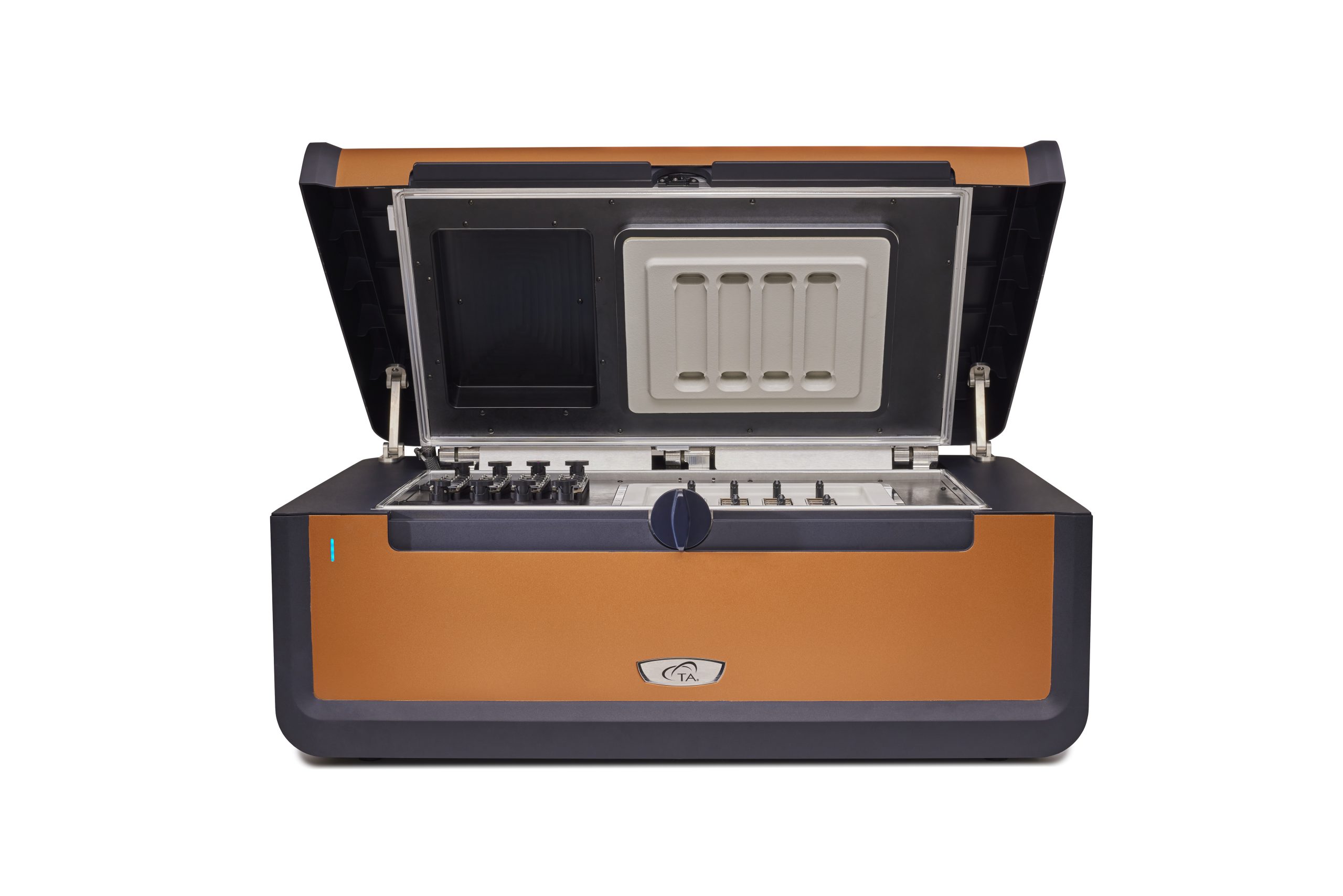
DetailsOverview In this Tech Tip, we will demonstrate how to load the TA Instruments Rapid Screening Differential Scanning Calorimeter (RS-DSC), program a method, and start an experiment.
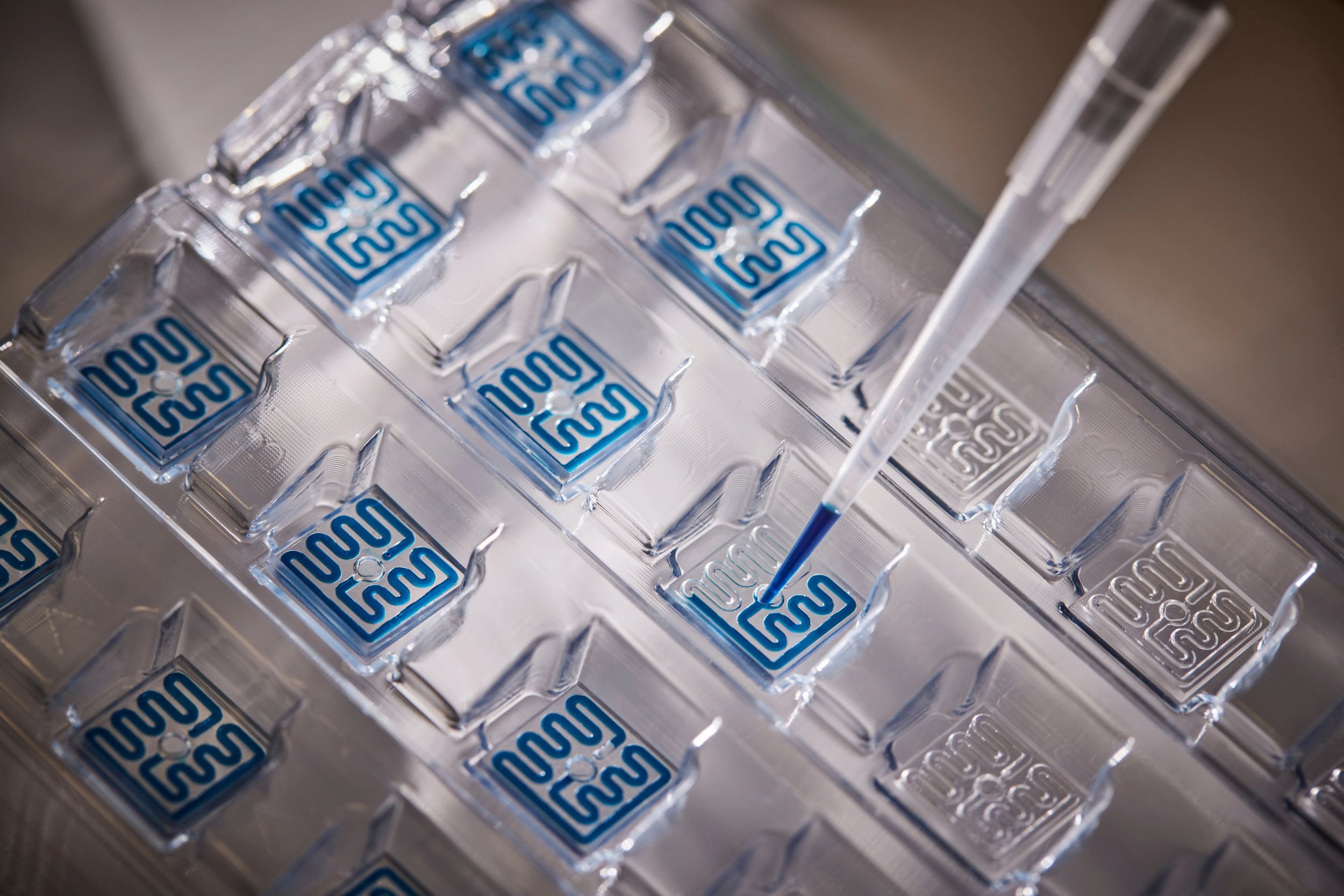
DetailsOverview In this Tech Tip, we will demonstrate how to prepare the disposable microfluidic sample chips for use in the TA Instruments Rapid Screening Differential Scanning Calorimeter (RS-DSC).
DetailsMILFORD, Mass. – July 23, 2024 – Waters Corporation (NYSE:WAT) announced today the global release of the TA Instruments™ Rapid Screening-Differential Scanning Calorimeter (TA Instruments RS-DSC), designed for biopharmaceutical developers. The TA Instruments RS-DSC is a high-throughput DSC for precise thermal stability testing of high-concentration biologic formulations specifically for antibody drugs and engineered proteins.
DetailsThe stability of high-concentration drugs can change under storage conditions, but until now, thermal testing in the lab using traditional calorimetry methods has been time-consuming and challenging. The new TA Instruments RS-DSC fills a critical antibody formulation development gap by allowing for high-throughput short-term thermal stability testing at formulation strength concentrations. In this blog, we explore why that’s essential.
DetailsWhite Paper The Power of Powder Rheology for Lithium-Ion Battery Electrode Manufacturing Powders are the functional building blocks of lithium-ion batteries and the ideal raw materials for their electrodes because they provide a high surface area for charge transfer. Understanding powder properties is pivotal to optimize electrode fabrication. In this white paper, learn how powder…
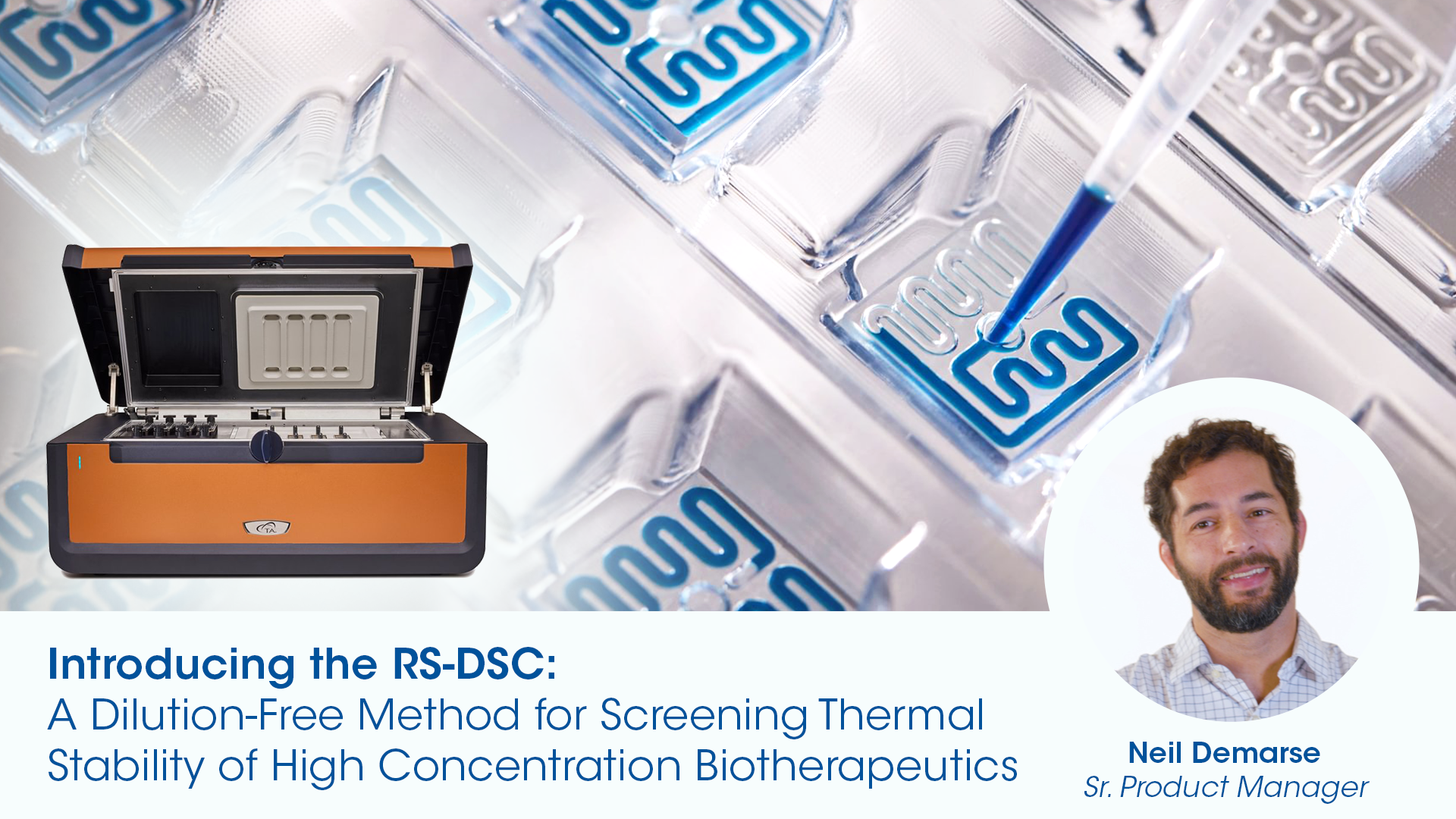
DetailsWebinar Introducing the RS-DSC: A Dilution-Free Method for Screening Thermal Stability of High Concentration Biotherapeutics Ensuring short-term thermal stability is essential for maintaining the quality and achieving regulatory approval of antibody drug products. The TA Instruments™ RS-DSC (Rapid Screening-Differential Scanning Calorimeter) offers an advanced platform for thermal stability screening of buffer formulations and protein sequence…
DetailsOverview Ensuring short-term thermal stability is essential for maintaining the quality and achieving regulatory approval of antibody drug products. The TA Instruments™ RS-DSC (Rapid Screening-Differential Scanning Calorimeter) offers an advanced platform for thermal stability screening of buffer formulations and protein sequence modifications, enabling the simultaneous analysis of up to 24 samples at formulation strength concentrations.…
DetailsOverview In this Tech Tip, we will install and calibrate the TA Instruments Rheo-Impedance Spectroscopy Accessory for HR Rheometers.
DetailsDynamic Mechanical Analysis (DMA) is a thermal analysis technique used to measure the mechanical properties of materials as they are deformed under periodic stress. DMA is commonly used to determine the viscoelastic behavior of polymers, composites, and other materials.
DetailsWill my paint coat the wall or drip off? Will my topical pharmaceutical spread on skin or form clumps? Rheology answers vital questions to inform how we create and interact with materials on a daily basis.
DetailsThe drive for consumers, brand owners, and corporations to become more eco-conscious in their purchases has led to an increased demand in sustainably sourced materials. Several industries have started initiatives to incorporate the use of recycled materials as well as bio-derived materials. In the case of bio-derived materials, industries using polymers have interest in biopolymers; however, these materials come with unique challenges.
Details