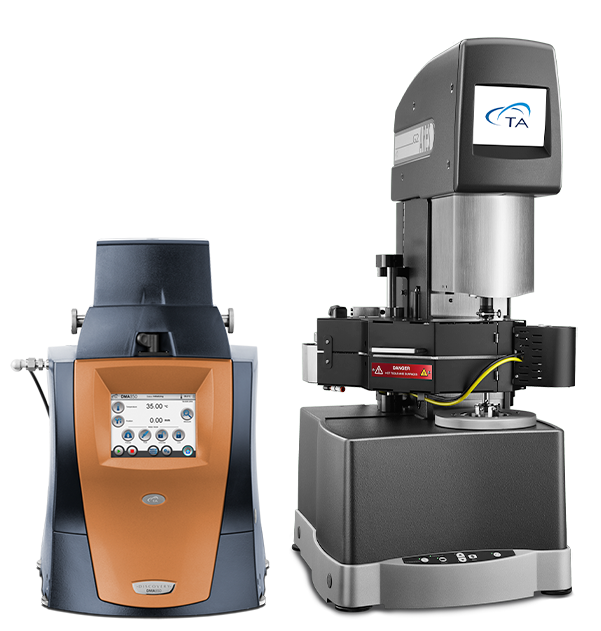
From plastic for medical devices to rubber for tires, the materials we use must meet increasingly high demands. Product manufacturers and consumers expect their materials to look good, perform well, and cost less, all while being environmentally friendly. Fulfilling all these expectations requires deep understanding of material behavior from the molecular level to real world mechanical properties. Since there are many factors that affect the properties of materials, precise measurement tools and methods are required to ensure that materials fulfill the high expectations of our world. A key measurement and analysis method to evaluate the properties of materials at various stages of development and production is Dynamic Mechanical Analysis (DMA).