Thermal Analysis of Heat Shrink Tubing
Heat shrink tubing appears simple at first glance: wrap it around your wires, apply a heat gun, and voila – perfectly insulated wires every time. But these tubes are more complex than they seem.
If you’re working with materials that can be flowed, for example within pharmaceutical, food, cosmetics, or petrochemical industries, it’s likely that there is a viscometer in the laboratory that is the go-to instrument for formulation testing or QA purposes. However, does this viscometer give you the whole picture and fully meet all your needs?
When it comes to selecting materials for your next innovative product, the material specification sheet is likely the first place that you will turn. This document provides core properties measured by the manufacturer and serves as an essential tool for supplier verification and new product development. However, while these sheets are reliable and provide a standard method for comparison, they often fail to tell the whole story.
Our world is brimming with viscoelastic materials: The dough you knead before baking a fresh loaf, the Silly Putty your toddler slaps against the wall, the rubber gaskets that create an airtight seal on an airplane door. Testing those materials by applying controlled deformations (strains) or forces (stresses) at various timescales, temperatures, and/or humidities allows for the optimization of properties and ensures durability and safety.
High-performance polymers are a critical material for manufacturers due to their combination of mechanical, thermal, and chemical properties, but especially their cost. Without adequate testing, manufacturers could run into a slew of issues, from immediate product failure to poor performance or failure after some time in usage.
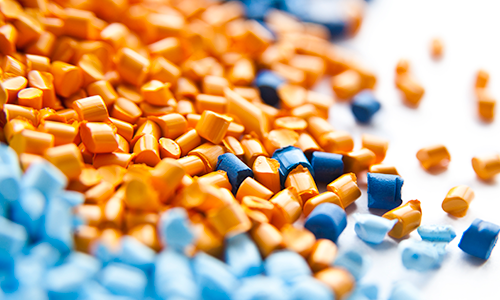
Against the backdrop of a plastic waste crisis, the global demand for plastic is set to quadruple by 2060. This has driven a shift toward sustainability and away from linear use models of plastic production. Post-consumer resin (PCR) has emerged as a key player in circular economy initiatives, though ensuring the quality and performance of PCR requires several characterization considerations.
From material selection and failure analysis to end-use application, Dynamic Mechanical Analysis (DMA) offers crucial polymer insights. Polymer scientists and design engineers pair DMA with fatigue testing to gain a complete view of their material’s properties and performance attributes.
節省研究聚合物的時間有許多好處,而且可以透過縮短操作員的訓練時間、提高研究的生產率,以及獲得準確又具有再現性的結果等不同方式達成。以下介紹三種技術(流變分析、TGA 與 DSC)的三種機會,為節省聚合物研究時間提供解決方案。
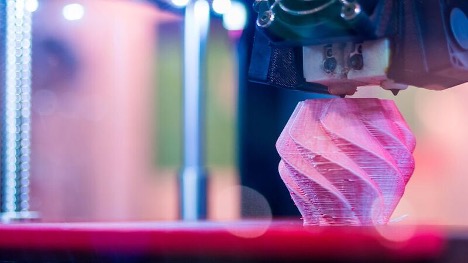
Successful additive manufacturing products depend upon your materials’ properties and behaviors. Rheology provides valuable information for safe, efficient, and reproducible polymer manufacturing.
科技正快速進步。無論是升級舊設備,還是為操作台添加新技術,使用最先進的儀器一定會提高實驗室的效率和結果。現今的儀器提供更可靠的數據和進階的功能,兩者對於維持材料創新的先鋒地位而言極其重要。
水凝膠的立體多孔結構,可以吸收大量水分。它們可由聚合物、蛋白質、胜肽、膠體、界面活性劑或脂質組成1。水凝膠吸收大量水分的能力可用於許多生物應用,包括藥物傳送與組織工程。 由於水凝膠的特性會隨著吸水而改變,因此科學家必須準確地描述它在不同飽和程度與不同條件下的行為。
3D 列印也稱為積層製造是一種多功能製造技術,它正被不同產業所接受。3D 列印可以快速製造原型,並依照需求來列印解決方案,以避免批次生產造成的浪費。